


About Taos
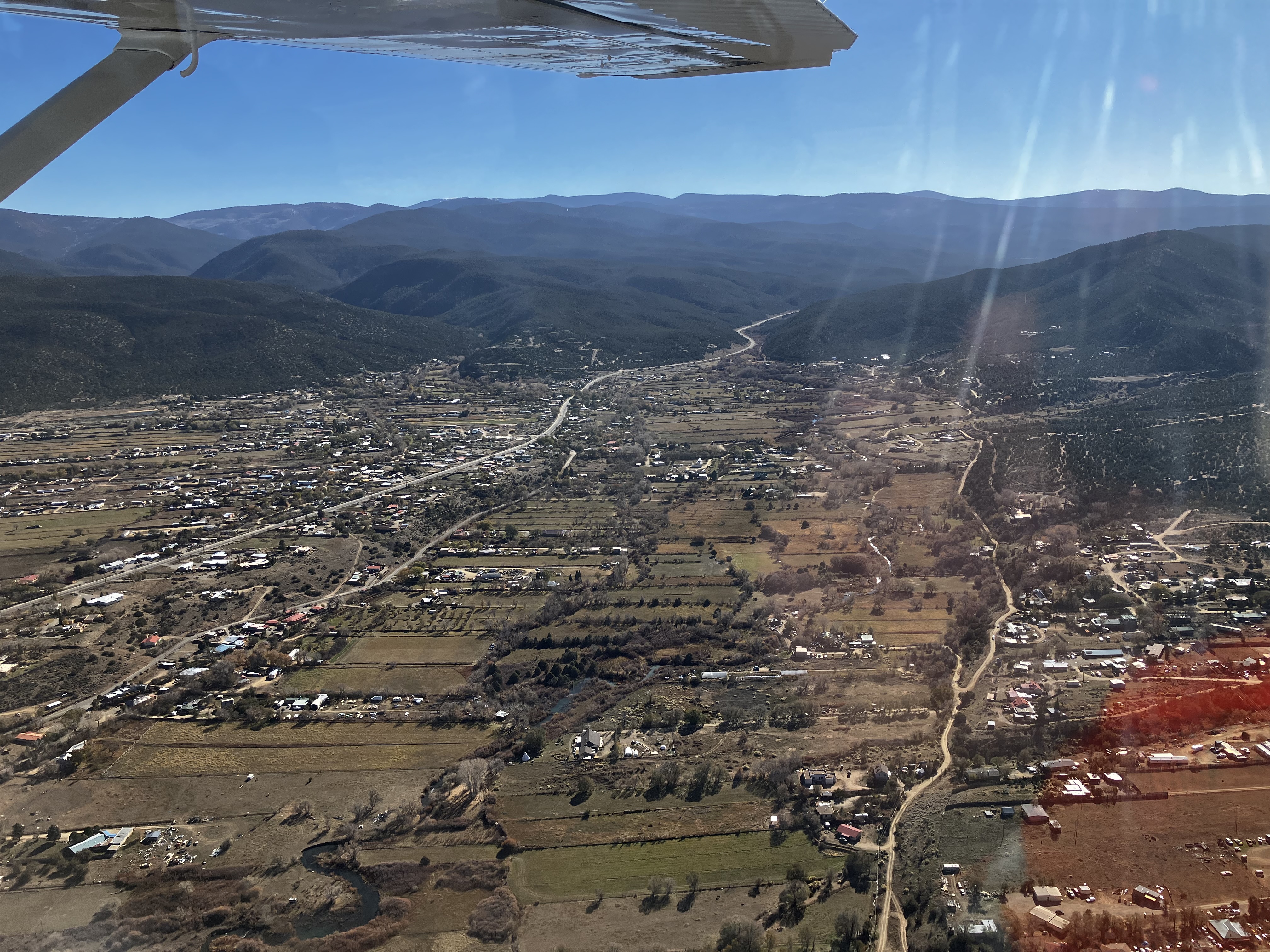
For centuries, agriculture has shaped the landscapes, communities, and traditions of Taos County. The enduring farming practices of Taos and Picuris Pueblos, followed by Spanish settlement and the development of the acequia irrigation systems, established a culture of shared stewardship that continues to define the region. Later waves of homesteaders and the back-to-the-land movement of the 1960s further strengthened the county's tradition of innovation in small-scale agriculture and natural resource management.
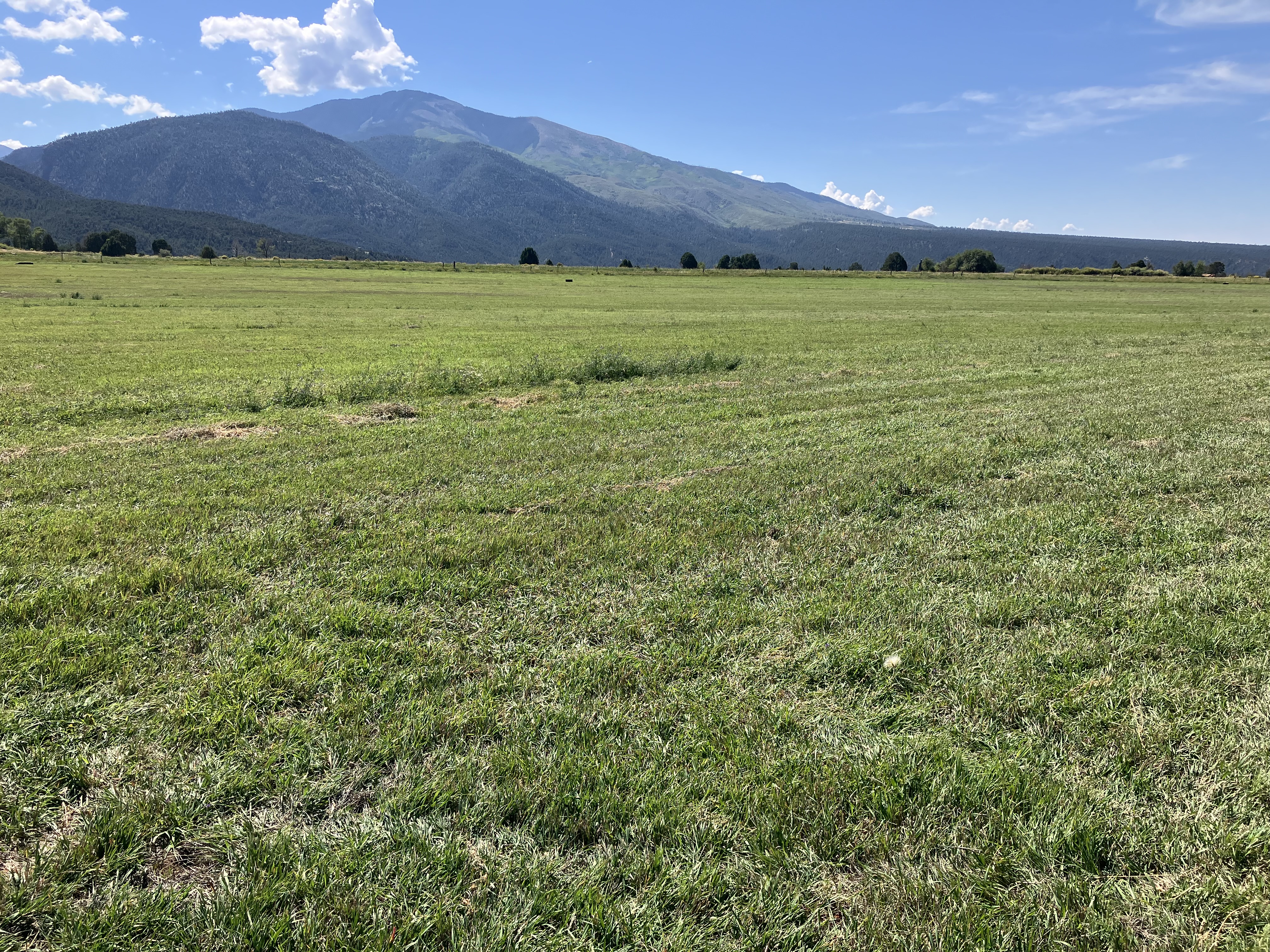
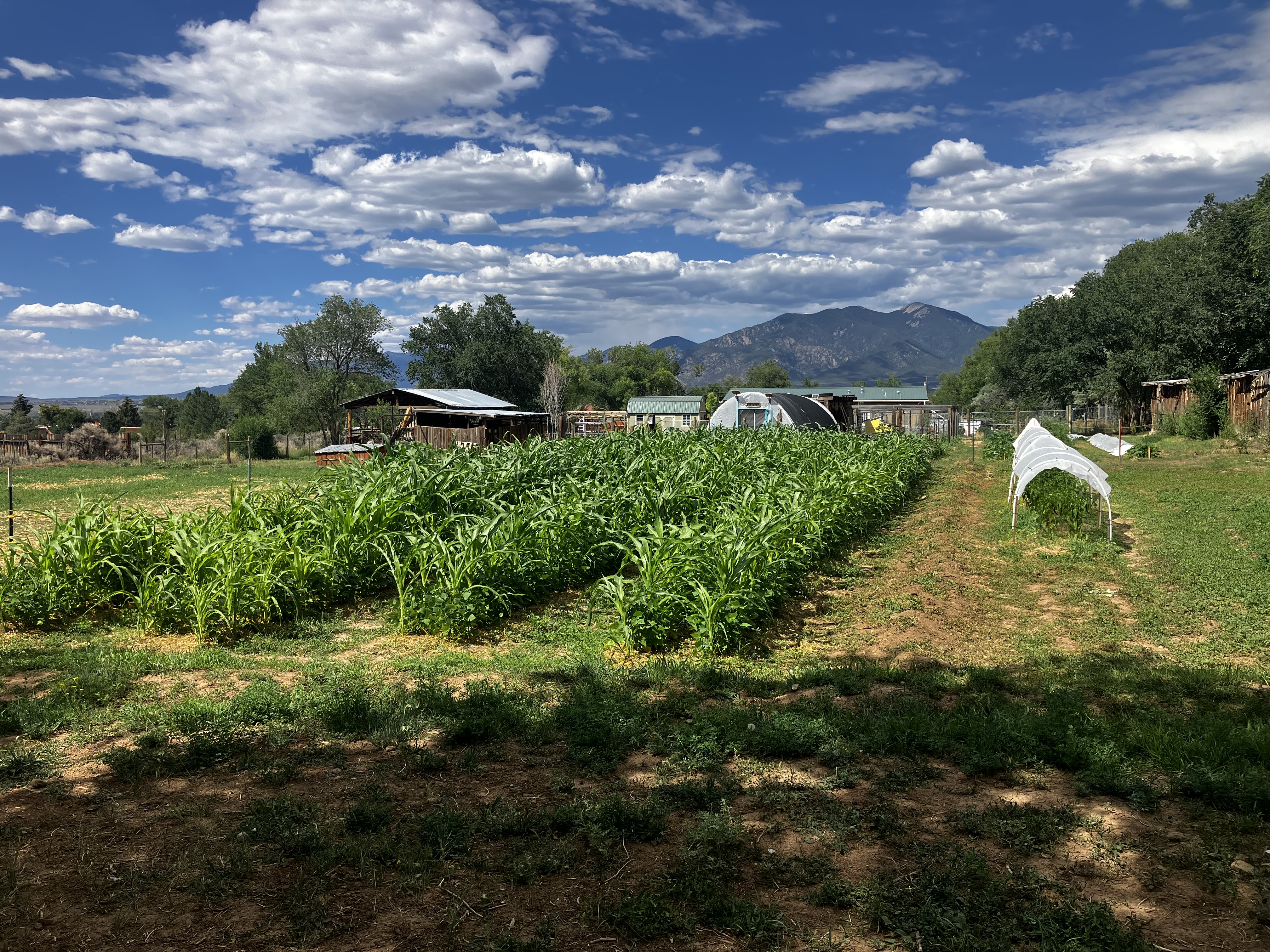
Today, thousands of acres of acequia-irrigated hay meadows and pasture support livestock production, while orchards, backyard gardens, and diversified farms contribute to a resilient local food system. Home to six farmers and community markets, hundreds of acequia parciantes, and a thriving agricultural community, Taos County blends deep cultural heritage with modern stewardship. NMSU Cooperative Extension works alongside producers, landowners, youth, and community partners to provide research-based education that strengthens agriculture, conserves natural resources, supports healthy communities, and preserves the traditions that make Taos County an extraordinary place to live and work.
Taos County Facts
Total Area: 1,444,480 acres (2,204 sqmi)
Percent Federal Land in the County: 50%
Lowest Elevation: 5,600 ft
Highest Elevation: 13,161 ft (Wheeler Peak, the highest elevation point in New Mexico)
Average Elevation: 8,500 ft (The highest of any county in the United States outside of Colorado)
Population: 34,600
Median Household Income: $58,950
Registered Farms and Ranches (FSA): 622 farms
La Cosecha: Changes to Taos County Agriculture through History
Below is a lecture by Taos County Extension Agent Will Jaremko-Wright to the Taos County Historical Society: La Cosecha (sp. fall harvest): Changes to Taos County Agriculture through History